The Case for a U.S.-China Mineral Accord
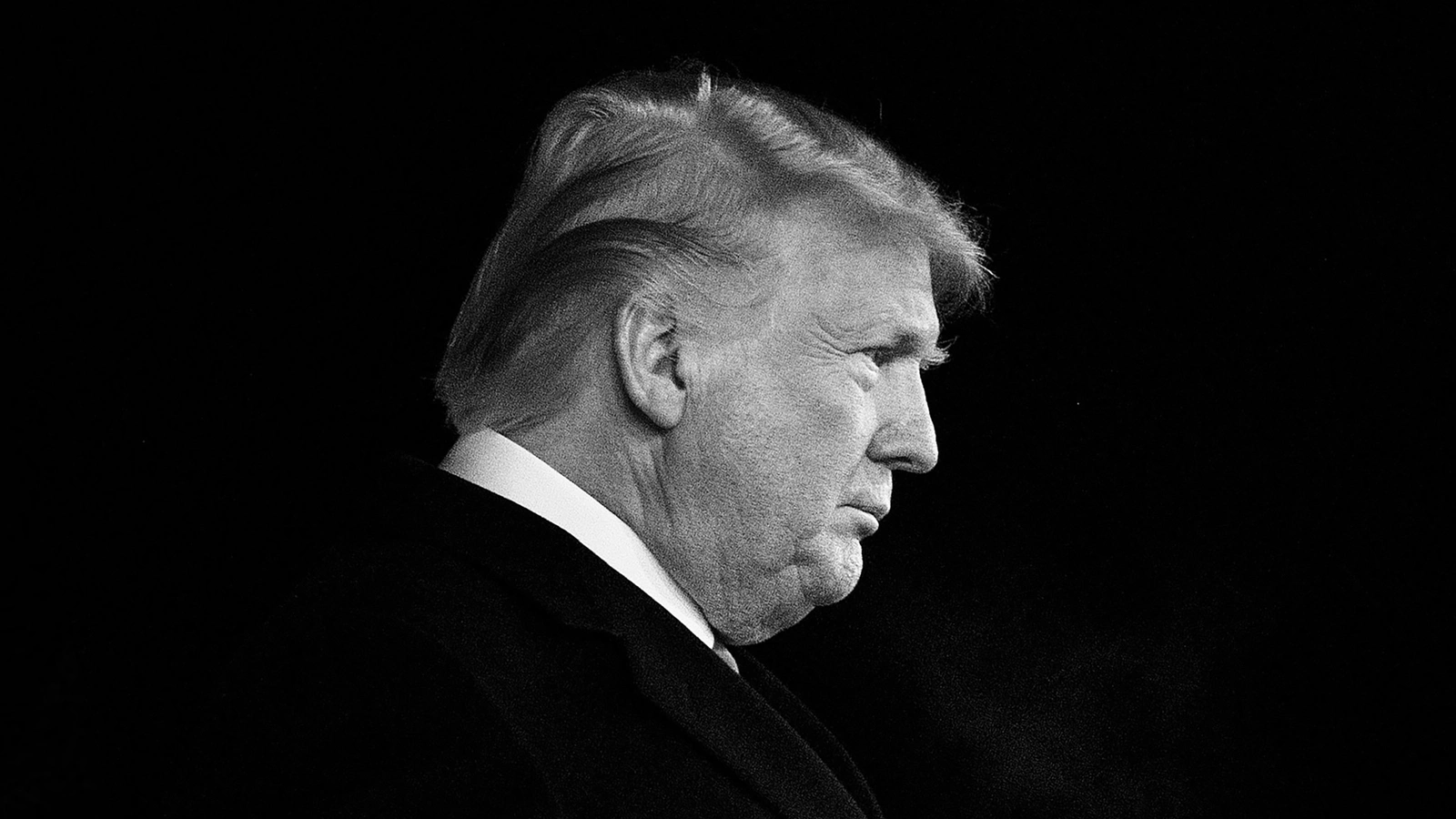
From peacemaker to dealmaker: Could Trump's next diplomatic victory be a U.S.-China critical minerals accord? © RTK
❮ VSG News
▦ OPINION | Arno Saffran, Tue 02 Dec, 2025Following the Ukraine Breakthrough, A U.S.-China Mineral Accord Is the Next Necessary Deal
The diplomatic imagination that has forged a path in Ukraine this week has shown us what is possible when statecraft prevails over stalemate. Now, we must apply that same boldness to a challenge that will define our century: securing the foundational elements of the modern world. The minerals that power our green transition and our digital lives are not just commodities; they are the bedrock of our common future.
And here lies the inescapable truth: there is no credible path to a net-zero world, nor to sustained technological progress, that does not run through constructive engagement with China. To pretend otherwise is not just naive; it is a strategic indulgence we cannot afford.
The Scale of Ambition Meets the Scale of Reality
The recent U.S.-Japan framework on rare earths is a welcome step. Pledging billions towards securing these critical supplies signals intent. But we must be clear-eyed. Compared to China's entrenched dominance, these efforts, for now, remain in the foothills of a mountainous challenge.
The numbers speak for themselves. China controls nearly 90% of global processing and permanent magnet production. Its companies have invested more in the last five years than the total of this new U.S.-Japan initiative. As one Beijing analyst noted with stark clarity, “The math simply doesn’t work for complete decoupling.” Even with the best efforts, alternative projects will meet only a fraction of soaring global demand by 2030.
The Human and Industrial Ecosystem
This isn't just about investment; it's about ingrained capability. We can have the best technology, but we lack the decades-deep ecosystem. A former engineer now advising miners put it perfectly: “Processing rare earths isn’t just about technology—it’s about managing complex chemical processes at scale with consistent quality.” This is a human achievement, built over a generation. New entrants face not just higher costs, but a profound knowledge gap.
And let’s be honest about the market. For all the political rhetoric of decoupling, commercial logic binds us. Japanese manufacturers, U.S. defense contractors—they rely on the refined products of China’s supply chain. To ignore this is to build a strategy on sand.
A New Framework for a New Reality
So what is to be done? The answer is not surrender to dependency, but the hard, smart work of building managed interdependence. This is not a passive strategy; it is an active and ambitious one. It requires a new framework built on three pillars:
1. Strategic Complementarity. Let us acknowledge China’s scale in processing and focus our competitive advantages on the high-value, technologically advanced ends of the supply chain. This is not a zero-sum game but a potential win-win.
2. Cooperation on Standards. Instead of building walls, let us build a common platform. We should be collaborating with Chinese partners to raise global environmental and labour standards, creating a race to the top that benefits all.
3. Architects of Stability. We need mechanisms to prevent crises, not just respond to them. This means joint reserves and crisis protocols that include China, smoothing the volatility that threatens both producer and consumer economies.
As a leading voice in Tokyo on energy economics argues, “China’s rare earth capabilities are a global asset.” Our task is not to dismantle this asset, but to harness it within a cooperative framework that accelerates decarbonisation for everyone.
The alternative—a fractured world of competing, parallel systems—is a recipe for slower climate progress, higher costs for consumers, and heightened geopolitical friction.
Conclusion: The Courage to Engage
The lesson of Ukraine is that diplomacy, however difficult, can create breakthroughs where confrontation only deepens divides. The next great act of statecraft will be to look past our differences and see our mutual necessity.
A U.S.-China mineral accord, built on this clear-eyed pragmatism, is more than a trade deal. It is a strategic imperative. It would be the defining partnership of this decade—one that secures the minerals for our future, and in doing so, helps secure the future itself.
References:
Tim Worstall, “How to Actually Overcome China’s Rare Earths Monopoly”, The Diplomat, December 9, 2023. Source »
Daniel Cordier, 2024 Rare Earths Mineral Commodity Summary, National Minerals Information Center (2024)
Gracelin Baskaran, What China’s Ban on Rare Earths Processing Technology Exports Means. CSIS (8 January 2024). Source »
Cordier, 2024 Rare Earths Mineral Commodity Summary
How relevant and useful is this article for you?
★ 151
ABOUT THE AUTHOR(S)
— Arno Saffran
Arno developed his approach through roles in client development (KPMG) and strategic commercial engagement (affiliated with advisories including Hakluyt), focusing on complex industrial and energy sectors.
VSG works across the extractive value chain, positioning people who form the critical bridge to early-stage relationships and commercial access in complex markets.