Market Access in Complex Environments Begins Before the First Meeting
❮ VSG News
▦ OPINION | Arno Saffran, Sat 15 Nov, 2025The Hidden Determinants of Commercial Success
In the markets I work in—energy and extractives—the decisive factors shaping commercial outcomes rarely live inside formal procedures. They exist in the informal space before procedures begin. Long before an RFP, a negotiation, or an investor mission, stakeholders are forming quiet but durable judgments about credibility, alignment, and intent.
This is the reality most business development strategies overlook: commercial success is path-dependent, and the path starts early. In high-context environments, what appears to be a technical or commercial contest is often resolved by human assessments that precede the transaction entirely.
For leaders operating internationally—especially in markets where political, regulatory, and social contexts intertwine—understanding this pre-formal landscape is not optional. It is the terrain on which opportunity is either quietly opened or quietly closed.
Human Systems as the Real Operating Environment
Every market has an official architecture—ministries, regulators, procurement agencies, national champions. But beneath that visible structure sits the human system: the network of relationships, incentives, and interpretations that determines how decisions are actually made.
My work has shown that firms entering complex markets consistently underestimate this layer. They study the laws but not the lawmakers. They meet the institutions but not the individuals whose informal coordination gives those institutions meaning. They map the process but not the people who bend, accelerate, or delay it.
In other words: companies prepare for the procedure; markets reward those who understand the people behind it.
The Pre-Formal Phase
This is the window of opportunity. One of the most consistent patterns I have observed—from KPMG deal work to strategic engagement alongside firms like Hakluyt—is that the early, informal phase of market interaction sets the boundaries of what becomes commercially possible.
This phase is not about negotiation. It is about orientation:
Who is this firm?
Do they understand how decisions evolve here?
Are they aligned with national priorities?
Can they operate predictably?
Who have they invested in understanding?
By the time anything becomes official, these questions are already answered in the minds of the stakeholders who matter. Formal processes do not create outcomes—they confirm them.
Strategy Fails When Leadership Is Misaligned to Context
A theme that recurs across my advisory work is the gap between strategic ambition and the leadership capability deployed to execute it. Organisations often have serious intent—but send the wrong people into the environment.
They deploy commercial operators where political fluency is required, rely on visibility where discretion is needed, and they chase activity when trust requires patience.
In high-context markets, the leader is the strategy. Their behavior becomes the firm’s credibility; their judgment becomes the firm’s risk posture; their relationships become the firm’s access.
This is why VSG focuses on placing the individuals who can read nuance, carry intent, and build alignment. In practice, success hinges less on organizational scale and more on the capability of one or two people who form the connective tissue between the firm and its environment.
A Relationship-Led Framework for Business Development in High-Context Markets
Discretion is often misunderstood as a matter of personality. In the markets where I operate, discretion is structural. Progress depends on ensuring that conversations evolve before positions harden, that alignment develops before visibility, and that trust grows before pressure is applied.
A relationship-led approach is not informal. It is structured, disciplined, and deeply strategic. The framework I use—and that VSG operationalises—centers on six principles:
1. Decode the human environment before analyzing the commercial one.
Markets are not abstractions; they are networks of incentives and people.
2. Build stakeholder alignment before seeking deal flow.
Opportunity emerges from alignment, not the other way around.
3. Put the right leader in the right market at the right moment.
The individual representing the firm determines its trajectory.
4. Show up early, consistently, and personally.
Presence is not about frequency—it is about reliability.
5. Use discretion to keep relationships protected and options open.
In complex environments, overexposure is a commercial risk.
6. Treat geopolitics and commerce as one system.
In strategic markets, these domains do not coexist—they converge.
This framework reflects a fundamental shift: business development in complex markets is not transactional; it is relational architecture.
References:
How relevant and useful is this article for you?
★ 104
ABOUT THE AUTHOR(S)
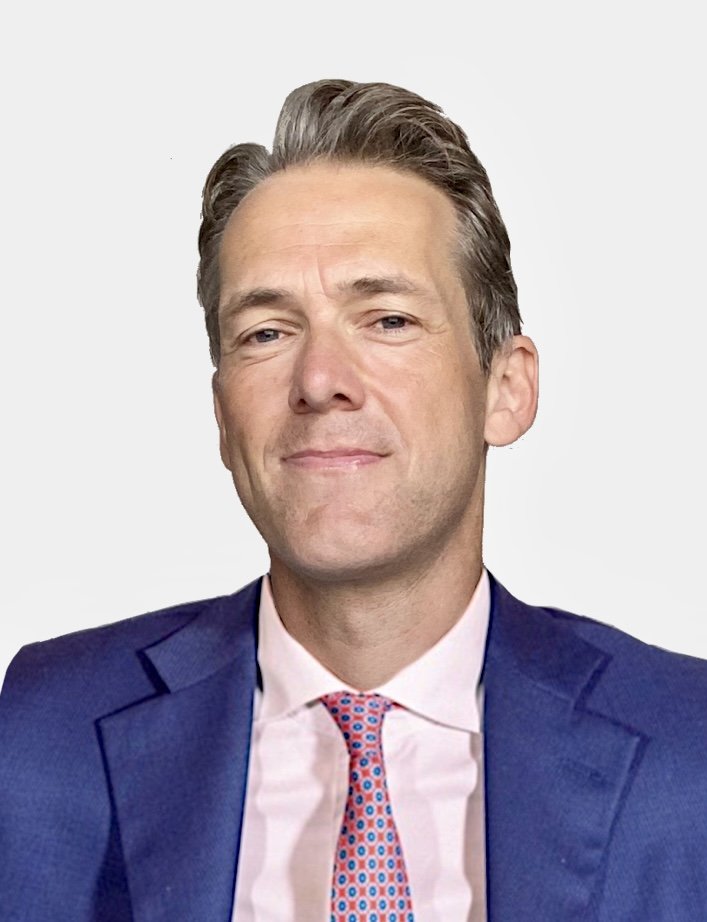
— Arno Saffran
Arno developed his approach through roles in client development (KPMG) and strategic commercial engagement (affiliated with advisories including Hakluyt), focusing on complex industrial and energy sectors.
VSG works across the extractive value chain, positioning people who form the critical bridge to early-stage relationships and commercial access in complex markets.