The Rise of the Critical Minerals Diplomat
❮ VSG News
▦ OPINION | Arno Saffran, Mon 06 Oct, 2025How a new class of leader is becoming the most valuable asset in the global energy transition
The human layer essential to securing the mineral foundations of a net-zero future
In my experience across some of the most complex extractive projects my clients have worked to secure, one lesson is clear: commercial outcomes are determined by human factors long before formal processes begin. Technical capability and financial modelling are essential—but they rarely decide whether a project moves forward, stalls, or fails. What matters most is the ability to navigate the political, social, and institutional landscapes in which projects operate.
This is especially true in the critical minerals sector. Governments have signalled demand for lithium, cobalt, nickel, and rare earths through legislation such as the U.S. Inflation Reduction Act and the EU Critical Raw Materials Act. These policies create strong incentives for investment, yet I have repeatedly seen that the real bottleneck is not geological or technological—it is the interface between policy ambition and operational reality.
The Role of the Critical Minerals Diplomat
Projects succeed when someone can translate strategic intent into durable operational outcomes. The executives I have worked with who consistently deliver in challenging contexts are what I have referred to as ‘Critical Minerals Diplomats’. They operate between geopolitical insight, commercial judgment, and cultural fluency.
From my perspective, their capabilities fall into three essential domains:
Geopolitical and Commercial Insight: They have had the ability to read host-country strategies and local power dynamics as clearly as financial statements, I have seen how aligning projects with long-term national priorities can be achieved.
Partnership Design Capability: They structure joint ventures, co-investments, and off-take agreements that are perceived as fair and sustainable, transferring not just capital but know-how and capability. The outcomes have been not only equitable, but also highly logical.
Community and Social Acumen: They have had the ability to comprehend and implement stakeholder engagement and environmental standards into planning, creating a “social licence” that protects operational continuity and mitigates risk through shared party interests.
It’s a long horizon, with their impact rarely immediate. Success shows up in pre-competitive achievements: shaping regulatory frameworks, formalising partnerships with state-owned enterprises, and securing approvals long before feasibility studies conclude.
Why the Capability Gap Matters for CEOs
This capability is scarce. Traditional pipelines—technical mining roles, investment banking, energy trading, or policy careers—tend to emphasise one dimension while leaving gaps in others.
The most effective diplomats I’ve observed combine political literacy, commercial rigor, patience, and cultural fluency. These qualities are developed in high-risk, high-context environments—structuring deals with state-owned enterprises in Central Asia, negotiating benefit-sharing in remote jurisdictions, or managing fragmented governance landscapes. This is inherently complex work, demanding intellectual rigour alongside relationship skills.
For CEOs, whether in EPC and OFS companies, major mining firms, or strategic materials producers, the implication is straightforward: the biggest constraint on project delivery is often human expertise. Your people are the bridge between policy ambition, commercial goals, and operational reality.
Practical Steps for CEOs
To address this gap, I advise (major) companies to treat Critical Minerals Diplomats as a strategic asset rather than a conventional hire. From my experience, effective strategies include:
Strategic Capability Mapping: Identify leaders with proven impact in complex environments. Evidence of stabilised projects, durable partnerships, and trust built across stakeholders is more important than titles or resumes.
Autonomy: Make sure to give these individuals the clear authority they need to ensure frictionless forward-motion, with cross-functional reach, and direct reporting to the C-suite. Support their ability to make binding local decisions that track risk and compliance protocols.
Long-Term Horizon: The return on this capability emerges over five to ten years. Boards must support patience, autonomy, and performance metrics focused on de-risking and continuity, rather than immediate deal flow. This is not a KPI measured role, this is beyond metrics, it’s about nuances of timing, language, and building a forward momentum.
Identification: Once the brief is defined and the decision made to appoint a ‘Commercial Diplomat,’ the candidate will likely be sourced externally or drawn from within the organisation—typically individuals with experience in government relations, community engagement, and joint venture management.
Why This Matters Now
The energy transition is not just about technology—it is about access, trust, and alignment. Critical minerals underpin every clean energy solution, from batteries to wind turbines. Companies that fail to secure early-stage, high-context relationships risk delays, cost overruns, or complete project failure. Conversely, those that invest in human expertise gain faster project delivery, reduced operational risk, and reliable access to essential resources.
I have seen the difference this makes: projects where the right people were in place consistently outperformed technically superior projects that lacked capable leadership. The lesson is clear—executives who prioritise human infrastructure over purely technical capability gain a decisive strategic advantage.
For EPC CEOs, the message is simple: the most critical mineral is not in the ground—it is in the people who can make projects work. The Critical Minerals Diplomat is the architect of operational success in high-value, high-context environments. Companies that recognise and invest in this capability now will secure the foundation for the net-zero economy, while those that do not risk watching from the sidelines.
The race is not just for resources—it is for the human expertise required to turn ambition into delivery.
References:
U.S. Department of State. Minerals Security Partnership (MSP). (US .Gov)
European Commission: Policy and Trade. EU and US welcome new members to Minerals Security Partnership. 27 September 2024. New York. Directorate-General for Trade and Economic Security.
How relevant and useful is this article for you?
★ 104
ABOUT THE AUTHOR(S)
— Arno Saffran
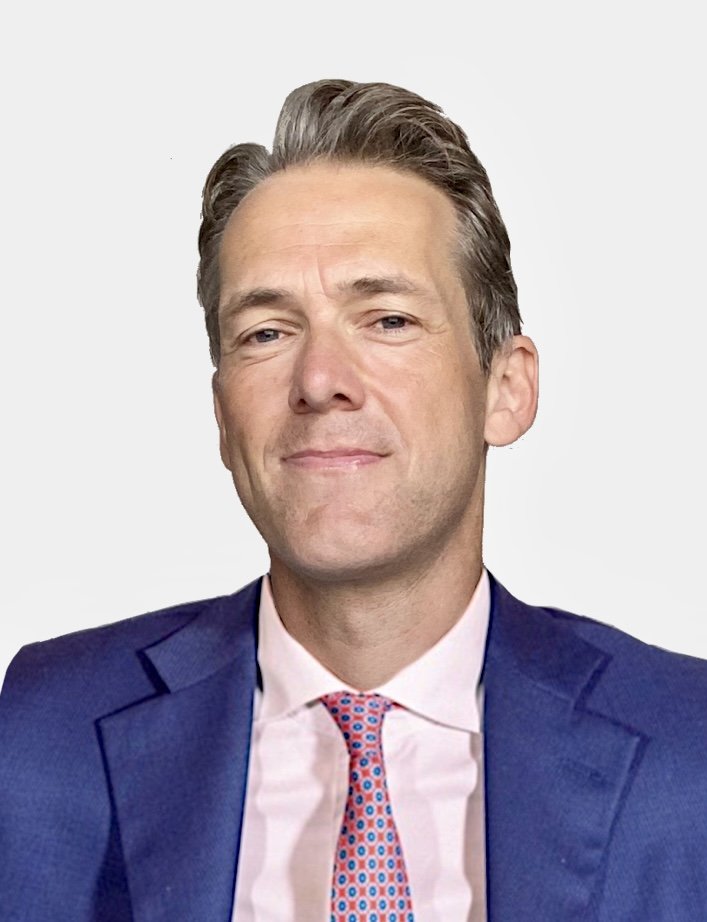
Arno developed his approach through roles in client development (KPMG) and strategic commercial engagement (affiliated with advisories including Hakluyt), focusing on complex industrial and energy sectors.
VSG works across the extractive value chain, positioning people who form the critical bridge to early-stage relationships and commercial access in complex markets.